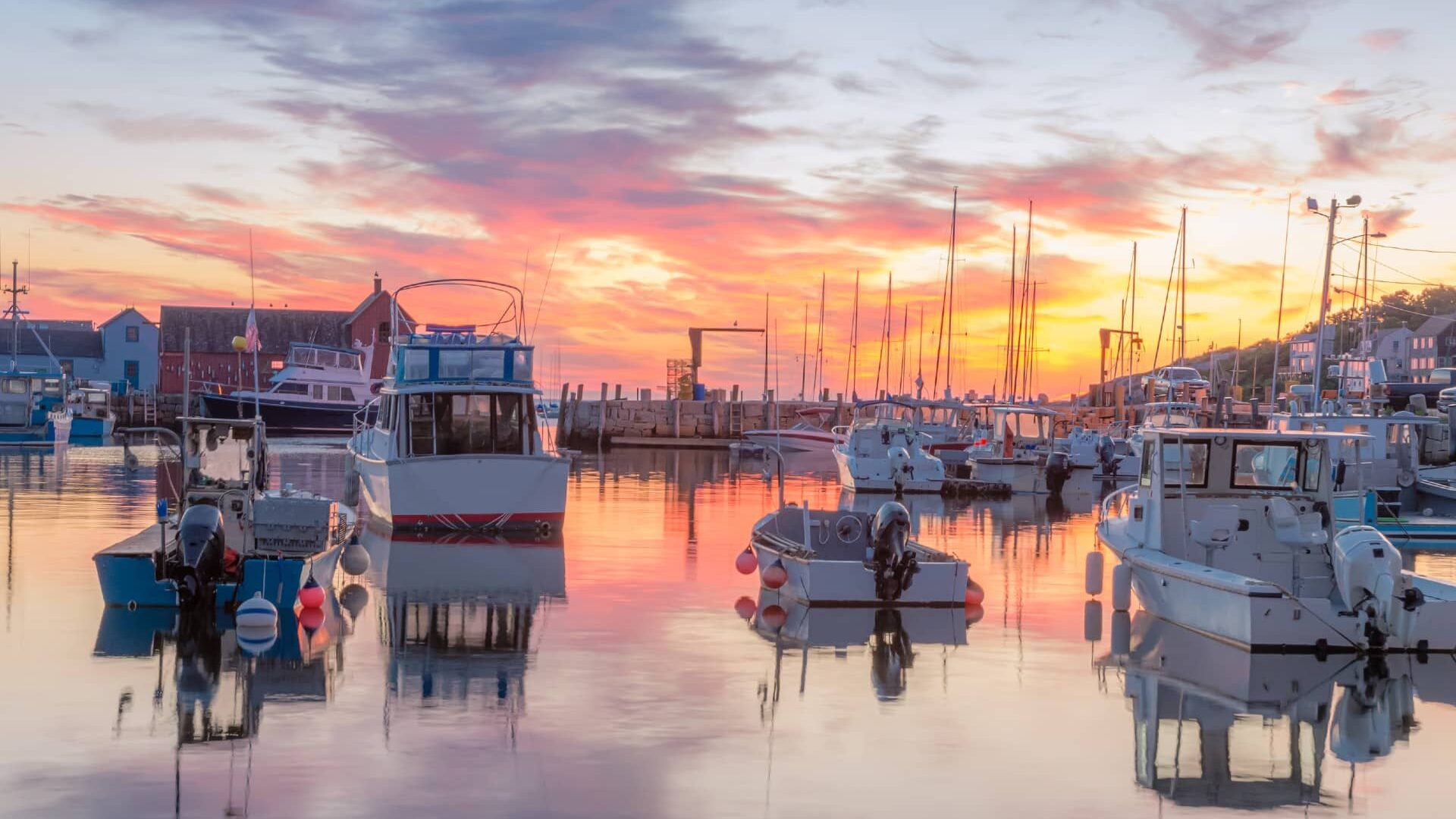
New England has one of the oldest inn traditions in the country, from coastal Maine and Cape Cod to Vermont’s ski towns and the Berkshires.
Its advantage is a well-established leisure market. Travelers from Boston, New York and beyond come for summer on the coast, fall foliage, winter skiing and historic small towns.
Many of its inns are older buildings with character and upkeep to match, and the northern seasons can be short, so buyers should look closely at both the property and the calendar.
What Defines the New England Lodging Market?
Demand in New England follows the seasons. Summer brings coastal and lake travel, fall foliage brings some of the busiest weeks of the year, and ski areas in Vermont, New Hampshire and Maine add a winter season.
Proximity to Boston, New York and Hartford supports weekend travel throughout the region, while colleges, arts festivals and weddings add demand in many towns.
Real estate values are high near Boston, on the Cape and Islands and in the most popular coastal towns. Farther north, values can be more moderate, but seasons are shorter.
Explore New England by State
Our New England region includes Connecticut, Maine, Massachusetts, New Hampshire, Rhode Island and Vermont.
New England’s states share a long innkeeping tradition but differ in season: coastal summers in Maine and on the Cape, foliage and ski seasons in Vermont and New Hampshire, and year-round weekend travel in southern New England.
Connecticut
Shoreline towns, the Litchfield Hills and historic villages serve New York and Boston travelers year-round.
Maine
Coastal villages, harbor towns and the mountains offer classic New England lodging with a pronounced summer and fall season.
Massachusetts
Cape Cod, the Islands, the Berkshires and historic towns provide strong demand alongside high real estate values.
New Hampshire
The White Mountains, Lakes Region and Seacoast offer four-season markets within reach of Boston.
Rhode Island
Newport and the coastal towns draw summer and event travelers, with high values in the best-known areas.
Vermont
Ski towns, foliage country and small villages support one of the country’s most established country-inn markets.

Location Matters—But So Does Acquisition Cost
Some of New England’s most desirable destinations also have expensive real estate. That can create a gap between what a property is worth and what the lodging business can reasonably support.
In other markets, acquisition costs may be lower but seasons shorter, and older buildings can bring significant maintenance and capital needs.
A classic New England setting attracts guests, but older buildings carry real operating and capital costs. The right purchase is one where the property, the business and the price work together.
Cape Cod, Massachusetts — A classic coastal inn market with strong summer demand, a longer shoulder season than many northern coasts and high real estate values.
Vermont — Stowe, Woodstock and the surrounding towns combine skiing, foliage and village charm in a long-established country-inn tradition.
Coastal Maine — Kennebunkport, Bar Harbor and the harbor towns between them draw summer and fall travelers to one of the country’s best-known coasts.
The Berkshires, Massachusetts — Music, theater and museums draw summer and fall visitors from New York and Boston.
Newport, Rhode Island — Mansions, sailing and events make Newport a strong summer and wedding market with high property values.
White Mountains and Lakes Region, New Hampshire — Mountain and lake towns offer four-season recreation within a few hours of Boston.
Current Inns and Independent Lodging Businesses for Sale in New England
These are the New England inns and B&Bs currently on the market. Listings change, and some owners begin exploring a sale before a property is publicly offered, so sign up for listing alerts to hear about new ones.
 = New Listing
 = Featured
 = Affiliate
 = Sold


