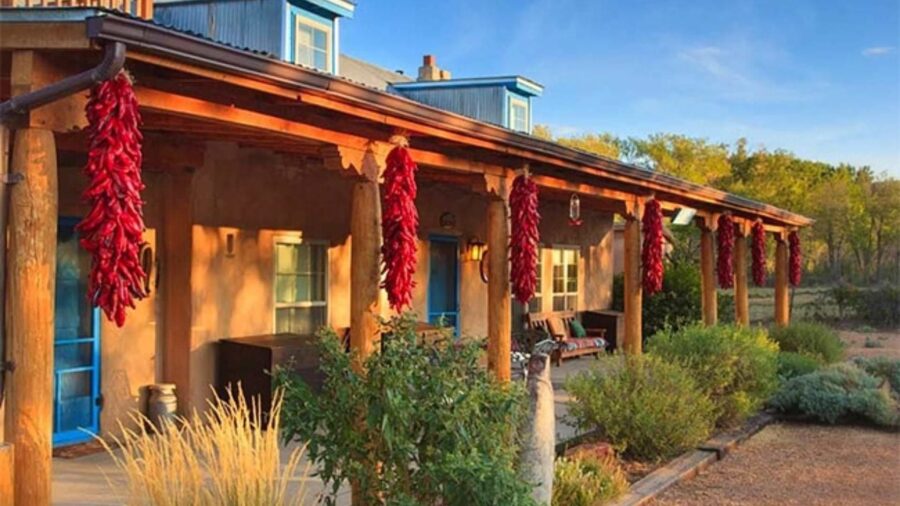
The Southwest offers independent lodging opportunities in destination towns with strong identities, from the art communities of northern New Mexico to Sedona’s red rocks, the Texas Hill Country and the gateways to the Grand Canyon.
Its advantage is distinctiveness. Travelers come for culture, landscape, food and wine that are closely tied to place, and well-positioned inns can build loyal followings.
Many of the same towns face heavy competition from vacation rentals, and high-desert and mountain markets have their own seasonal patterns, so buyers need to understand how each market really works.
What Defines the Southwest Lodging Market?
Demand in the Southwest centers on destination towns. Santa Fe and Taos draw art, history and ski travelers; Sedona and the Grand Canyon gateways draw national-park and outdoor visitors; the Texas Hill Country draws weekend travelers from Austin, San Antonio, Houston and Dallas for wineries, music and small-town charm.
Vacation rentals are a major factor in many of these markets. Inns compete best when they offer something rentals cannot, such as breakfast, hosting, events or a setting guests cannot find elsewhere.
Seasonality varies widely. Summer heat slows some desert markets, while higher-elevation towns are busiest in summer and fall and ski areas add a winter season.
Explore the Southwest by State
Our Southwest region includes Arizona, New Mexico, Oklahoma and Texas.
The Southwest spans high-desert art towns, Texas river and hill towns, canyon country and border cities, and its states differ in water, climate, season and how they regulate lodging.
Arizona
Sedona, Flagstaff and the Grand Canyon gateways, along with Tucson and southern Arizona, offer outdoor and destination travel across different seasons.
New Mexico
Santa Fe, Taos and northern New Mexico’s villages draw art, culture and ski travelers to some of the region’s most distinctive inns.
Oklahoma
Route 66 towns, lake country and the Arbuckle Mountains offer quieter markets with moderate real estate values.
Texas
The Hill Country, historic towns between Austin and Houston and the Gulf Coast serve large in-state drive-to markets.

Location Matters—But So Does Acquisition Cost
Some of the Southwest’s most popular destinations also have very high real estate values. That can create a gap between what a property is worth and what the lodging business can reasonably support.
In other markets, acquisition costs may be lower but demand more seasonal or more dependent on a single attraction, and vacation-rental competition can limit room rates.
Iconic scenery fills rooms, but the right purchase still depends on whether the property, the operation and the price fit together, especially where water, access or local rules limit growth.
Fredericksburg, Texas — A strong Texas Hill Country drive-to market shaped by wineries, events, outdoor recreation and substantial vacation-rental competition.
Santa Fe and Taos, New Mexico — Art, history, food and skiing support some of the Southwest’s most distinctive independent inns, with high real estate values in the best-known areas.
Sedona, Arizona — Red-rock scenery and outdoor recreation drive strong year-round demand, alongside high property values and heavy short-term-rental competition.
Grand Canyon Gateway, Arizona — Williams and Flagstaff serve national-park visitors, with demand tied closely to park travel and the summer season.
Texas Hill Country Wine Towns — Beyond Fredericksburg, smaller Hill Country towns draw weekend travelers for wineries, music and rural settings.
Current Inns and Independent Lodging Businesses for Sale in the Southwest
These are the Southwest inns and B&Bs currently for sale. Inventory turns over, and some owners explore a sale quietly before listing, so sign up for listing alerts to hear about new properties.
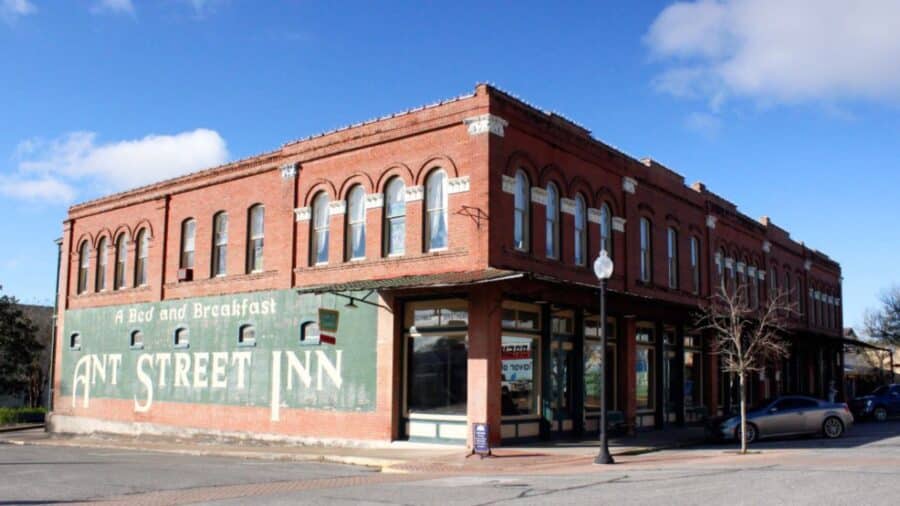
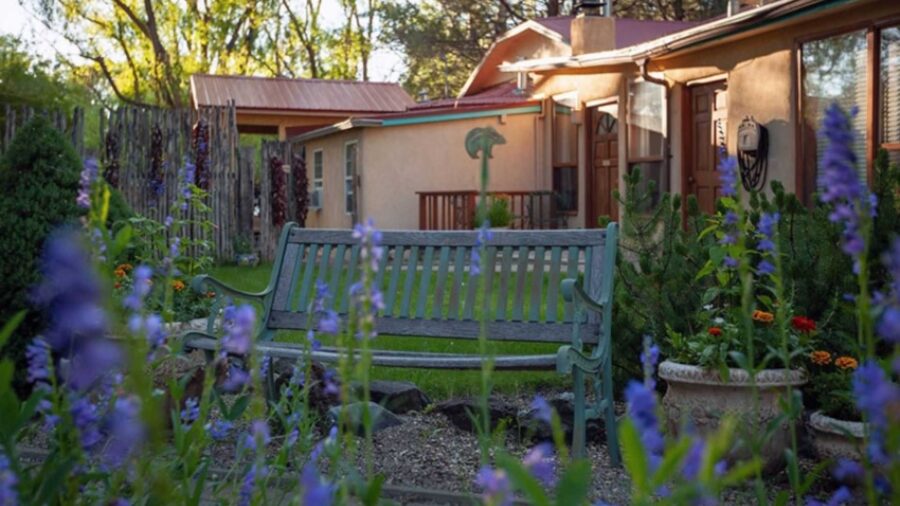
Our recent work in the Southwest includes The Ant Street Inn in Brenham, Texas, Dreamcatcher Bed & Breakfast in Taos, New Mexico, and Casa Escondida Bed & Breakfast in Chimayo, New Mexico.
 = New Listing
 = Featured
 = Affiliate
 = Sold