Selling Your Inn, Boutique Hotel, or Independent Lodging Business
Selling a bed and breakfast, inn or boutique hotel is fundamentally different from selling most other types of real estate. You’re not simply transferring ownership of a building—you’re selling an operating business, a source of income, and, for many owners, the culmination of years of hard work, personal investment, and a unique way of life.
There is no single “right” way to sell a B&B or inn. Some owners successfully sell their businesses themselves. Others work with a licensed real estate broker where appropriate. Many begin the process on their own and later decide they would benefit from experienced guidance. The best approach depends on your goals, your experience, the amount of time you can devote to the process, and the complexity of your business.
Regardless of which path you choose, the fundamentals are the same. You’ll need to understand what your business is worth, prepare financial and operational information, develop a marketing strategy, communicate effectively with prospective buyers, negotiate terms, navigate due diligence, and successfully transition the business to new ownership.
This guide walks through each of those steps. Our goal is not to convince you that there’s only one way to sell your business. Rather, we want to help you understand the process, evaluate your options, and avoid common pitfalls.
At Marilyn Bushnell & Associates, we’ve spent decades working exclusively with owners and buyers of independent lodging businesses. Because every member of our team has owned and operated an inn or similar lodging business, we understand both the business and lifestyle aspects of ownership. Depending on your property’s location and your needs, our role ranges from providing consulting and advisory services to offering licensed brokerage representation where permitted or working in cooperation with local brokerage professionals. Regardless of the structure, our objective remains the same: helping owners make informed decisions and achieve successful transitions.
Whether you’re planning to sell in the coming months or simply beginning to think about the future, we hope this guide provides practical insights that help you move forward with confidence.
Note: Services are provided in accordance with applicable state licensing requirements. Direct brokerage representation is available in states where Marilyn Bushnell & Associates is currently licensed. In other states, we can provide consulting and advisory services and, when appropriate, collaborate with locally licensed brokers of record.
The Seven Steps to Selling an Independent Lodging Business
Regardless of whether you choose to sell your business independently or work with professional advisors, every successful sale follows the same basic process. Understanding these seven steps will help you prepare, make informed decisions, and avoid many of the common challenges owners encounter.
Deciding to sell an inn or other independent lodging business is rarely based on a single factor. Retirement, changing family circumstances, health, burnout, financial goals, or simply a desire to do something different can all influence the decision. Market conditions matter too, but the right time to sell is ultimately a combination of what is happening in the market and what is right for you.
One of the most important things you can do is begin thinking about the sale before you need to sell. Ideally, an exit strategy should be part of your business plan from the very beginning. The more time you have, the more opportunity you have to strengthen financial performance, address deferred maintenance, organize business records, develop systems that make the business less dependent on the current owner, and make other changes that may improve marketability.
Selling successfully often begins months—or even years—before your business is listed for sale.
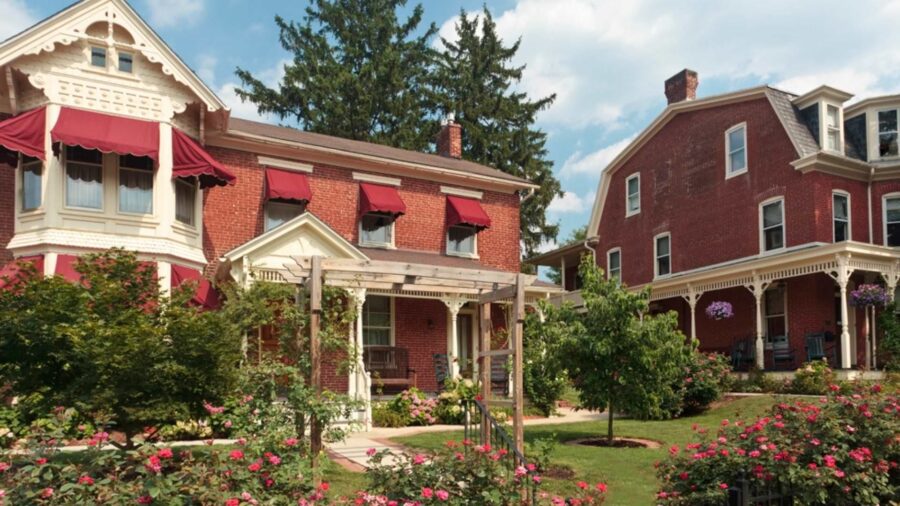
Brickhouse Inn, Gettysburg, Pennsylvania · Sold 2022
One of the first questions most owners ask when they begin thinking about selling is also one of the most important: What is my business worth?
For an independent lodging business, the answer usually involves much more than the value of the real estate. An inn, bed and breakfast, boutique hotel, cabin property, or other lodging business typically combines real estate, furniture, fixtures and equipment (FF&E), an operating business, established revenue, goodwill, and other tangible and intangible assets.
A prospective buyer is evaluating the entire package—and, importantly, whether the business generates sufficient income to support the investment.
That means two physically similar properties can have very different values as lodging businesses. Revenue, profitability, owner involvement, condition, location, competitive position, growth opportunities, buyer demand, and financeability can all influence what the market is willing and able to pay.
Setting an asking price too high can discourage qualified buyers and cause a property to remain on the market even longer than the 18–24 months we typically advise owners to anticipate for an inn sale. Pricing too low may unnecessarily create “built-in equity” for the next owner, leaving behind some of the value you’ve worked to create.
The value of an independent lodging business is influenced by both what the property is worth and what the business can support. Valuation establishes a range—not a guaranteed selling price. Ultimately, the selling price is the amount a willing buyer and willing seller agree upon under the circumstances of the transaction.
There is one certainty every lodging business owner shares: eventually, every inn will change hands.
It may happen next year or decades from now. The business may be sold to another innkeeper, transferred to the next generation, or the property may eventually be sold for another use. Not every inn will ultimately be sold as an operating lodging business—but every period of ownership eventually comes to an end.
The question isn’t really whether you should prepare for an eventual transition. It’s when you should begin and what you can do now to preserve the greatest number of options when that time comes.
Ideally, preparation begins long before you put your inn on the market. A profitable, well-maintained, well-documented business with systems that can transfer to a new owner is generally easier for buyers to understand, easier for lenders to evaluate, and better positioned to preserve the value you’ve spent years building.
Once selling is on the horizon, preparation becomes more focused. Financial records need to be current and understandable. Deferred maintenance should be evaluated. Operating procedures should be documented. Reservations, employees, licenses, contracts, websites, and other business assets need to be considered from the standpoint of transferring them to a new owner.
Most importantly, continue running the business well. Buyers and lenders will evaluate financial performance throughout the selling process, not simply the results from the year before you decided to sell.
Buyers notice preparation. A well-prepared inn creates confidence—and buyer confidence can make every stage of the sale easier.
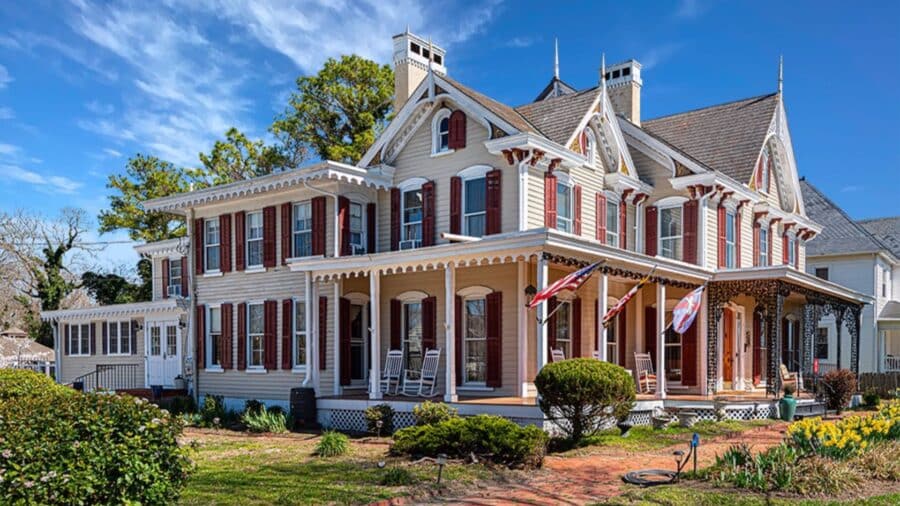
The Inn at Tabbs Creek, Port Haywood, Virginia · Sold 2024
Once your inn is prepared for sale, the next challenge is reaching the right buyers without disrupting the business you’re still operating.
Effective marketing of an independent lodging business involves much more than placing a real estate listing online. It requires deciding how the opportunity should be positioned, which buyers are most likely to be interested and financially qualified, where and when those buyers should be reached, what information should be provided at each stage, and how confidentiality will be protected.
More exposure isn’t always better. An inn is an operating business with employees, guests, future reservations, vendor relationships, and confidential financial information. Publicizing a sale too broadly—or too early—can create uncertainty that affects the very business you’re trying to sell. This can be particularly important for inns that depend on weddings, retreats, groups, and other events booked many months or even years in advance.
Financial confidentiality is especially important. Detailed tax returns, profit and loss statements, revenue reports, and other financial records should not be treated as general marketing materials. Serious buyers will eventually need access to them, but only after an appropriate level of qualification and confidentiality.
The asking price established in Step 2 is also part of the marketing strategy. A price supported by the property’s real estate, demonstrated financial performance, and marketability gives qualified buyers a credible reason to investigate further. An unsupported price can discourage them before they ever learn what makes the business compelling.
Good marketing tells two stories at the same time: what the business has already demonstrated and what a new owner might be able to do with it. Historical performance establishes credibility and financeability; realistic growth opportunities help buyers see a reason to invest in the future.
And preparation doesn’t end when marketing begins. Preparing an inn for sale is an ongoing process that continues until closing. Financial records need to remain current, the property needs to remain well maintained, and the business needs to continue performing while the search for the right buyer continues.
Marketing an inn isn’t about telling everyone it’s for sale. It’s about getting the right information to the right prospective buyers at the right time—while protecting confidential information and the ongoing business.
Steeles Tavern Manor, Steeles Tavern, Virginia · Sold 2025
Finding someone who wants to buy your inn is an important milestone—but interest and qualification are not the same thing.
A qualified buyer needs more than enthusiasm for the property or the idea of inn ownership. The buyer must have sufficient financial resources for the required equity investment and transaction costs, a realistic financing strategy if financing is needed, and an understanding of the business they are considering acquiring.
Qualification should therefore continue as a buyer moves through the process. Before providing highly confidential financial information, arranging repeated property visits, or investing substantial time in negotiations, you should have reasonable confidence that the prospect has both the intent and financial capacity to pursue the transaction.
Once an offer is made, purchase price is only one part of the decision. Financing, earnest money, contingencies, due diligence, inspections, included assets, future reservations and deposits, transition assistance, closing timing, and other terms can substantially affect the strength of an offer and its likelihood of reaching closing.
The highest offer isn’t necessarily the best offer. A strong offer combines acceptable economics with a buyer, financing structure, and terms that provide a realistic path to closing.
The Inn at Westwynd Farm, Hummelstown, Pennsylvania · Sold 2024
Once you have an accepted offer, the transaction enters a more detailed phase. The buyer, lender, attorneys, inspectors, appraisers, accountants, and other professionals may all need information before the sale can close.
Due diligence is the buyer’s opportunity to verify what they are purchasing. For an independent lodging business, that typically extends well beyond a physical inspection of the real estate. The buyer may review financial performance, tax returns, reservations and deposits, contracts, licenses and permits, employees, equipment, operating systems, insurance, zoning, and other aspects of the business.
At the same time, a lender may conduct its own underwriting, appraisal, property review, and verification of the business’s financial performance.
Preparation makes an enormous difference. Financial records and operating information that are organized, consistent, and readily available can keep the transaction moving. Missing documents, unexplained discrepancies, deferred property issues, or surprises can cause delays, renegotiation, financing problems, or—in some cases—the loss of the transaction.
Due diligence isn’t simply a hurdle before closing. It’s the process through which the buyer and lender confirm that the business they agreed to purchase is the business they are actually acquiring.
Mountain Laurel Creek Inn & Spa, Dahlonega, Georgia · Sold 2021
Closing transfers ownership, but an independent lodging business doesn’t stop operating while the ownership changes.
Guests may already be arriving the following day. Weddings and events may be booked months in advance. Employees need to know who they work for. Vendors need updated information. Reservation systems, websites, telephone numbers, social media accounts, utilities, merchant services, and numerous other operational details need to move from one owner to another.
A successful transition therefore requires planning before closing—not a hurried exchange of passwords and keys afterward.
The seller also possesses something that can’t be transferred by deed or bill of sale: years of knowledge about how the business actually works. Helping the buyer understand important operating routines, systems, relationships, and upcoming obligations can protect the continuity of the business both parties have worked to transfer.
But transition assistance should also have reasonable limits. The objective is to give the new owner the information and tools needed to take control—not to leave the former owner indefinitely responsible for a business they no longer own.
A good transition protects guests, employees, future business, and the value of the enterprise while allowing both buyer and seller to move confidently into what comes next.
How long does it usually take to sell an inn or bed and breakfast?
There is no standard timeline, but we generally advise owners to anticipate that selling an independent lodging business may take 18 to 24 months. Some properties sell more quickly, while others take longer depending on asking price, financial performance, location, property type, buyer demand, financing conditions, and the size of the qualified buyer pool. Because the process can take time, owners should begin preparing well before they need to sell and continue operating the business carefully until closing.
How is the value of an inn or bed and breakfast determined?
An inn’s value usually reflects both its real estate and its performance as an operating business. Relevant factors can include revenue and profitability, owner benefits and legitimate financial adjustments, property condition, furniture, fixtures and equipment, location, competitive position, growth opportunities, marketability, and the amount of acquisition debt the business can reasonably support. Valuation establishes a supportable range; the final selling price is ultimately determined by what a willing buyer and seller agree to under the circumstances of the transaction.
How far in advance should I prepare my inn for sale?
Ideally, preparation begins years rather than months before a sale. Buyers and lenders commonly examine multiple years of financial performance, so improvements to revenue, profitability, recordkeeping, property condition, and operating systems may take time to affect value and financeability. Preparation should also continue after the inn goes on the market. Current financial records, property condition, reservations, reviews, and operating performance can remain important until the transaction closes.
Should I keep the sale of my inn confidential?
Often, yes—at least to some degree. An inn is an operating business with employees, guests, vendors, future reservations, and confidential financial information. Excessive or premature publicity can create uncertainty, particularly for properties that book weddings, retreats, groups, or other events far in advance. The appropriate level of confidentiality depends on the business and marketing strategy, but detailed financial information should generally be provided selectively to appropriately qualified prospective buyers and protected by a non-disclosure agreement, rather than distributed as public marketing material.
What financial information will buyers and lenders want to see?
Serious buyers and their lenders will generally want to review current financial information and multiple years of historical performance. This may include filed business tax returns, profit and loss statements, year-to-date financial statements, reservation and revenue reports, occupancy-tax records, payroll information, and supporting documentation for significant owner adjustments or discretionary expenses. Records should be consistent, understandable, and capable of supporting the financial performance represented to the buyer.
Does the growth potential of my inn increase its value?
Growth potential can make an inn more attractive to buyers, but unrealized potential generally does not support acquisition financing in the same way as documented historical income. Opportunities such as additional guestrooms, weddings and events, higher occupancy, increased rates, food and beverage service, or new lodging units will certainly influence buyer interest, but lenders typically underwrite demonstrated financial performance. When practical, turning a credible opportunity into documented revenue and profitability before selling can make that potential more meaningful to both buyers and lenders.
Can I sell my inn myself?
Yes. Some owners successfully sell their inns without outside representation. Doing so means taking responsibility for valuation and pricing, confidential marketing, buyer screening, financial disclosure, property visits, negotiations, due diligence, and coordination with lenders and other professionals. Other owners use an experienced lodging-industry advisor or licensed broker where appropriate. The best approach depends on your experience, available time, need for confidentiality, property location, and complexity of the transaction.
What makes an offer from an inn buyer a strong offer?
The highest purchase price does not necessarily make the strongest offer. A seller should also consider the buyer’s financial qualifications, available equity, financing strategy, earnest money, contingencies, due-diligence requirements, proposed closing timeline, seller-financing requests, and other terms. A strong offer combines acceptable economics with a qualified buyer and a financing and transaction structure that has a realistic path through due diligence to closing.
Recently Sold
A few of the independent lodging businesses we have helped change hands.
Marilyn worked with us to sell our inn right in the middle of the Covid pandemic. There were a lot of twists and turns that we hope will never be a part of anybody else’s selling experience, but at the end of the day it became a very positive experience for all involved. So much so that we joined the company!
Chuck & Charlie Anderson, former owners, Lucille’s Mountaintop Inn & Spa
Ready to Start the Conversation?
You can do much of the work involved in preparing an inn for sale yourself. In fact, the earlier you begin thinking about value, financial performance, property condition, business systems, and your own plans after the sale, the more options you’re likely to have when the time comes.
The harder part is often knowing how those pieces fit together. What will buyers think the business is worth? What will a lender be willing to finance? Which improvements are worth making before you sell? How should confidential financial information be handled? A very large percentage of new inn buyers relocate from other parts of the country as part of their acquisition process. How will they find you? And how do you market the business without unnecessarily disrupting the guests, employees, reservations, and reputation that give it value?
Because our work is focused exclusively on independent lodging businesses—and because we’ve owned and operated them ourselves—we can provide another perspective when you’re ready. Depending on your property’s location and your needs, that may mean helping you evaluate marketability and value, prepare for a future sale, develop a marketing strategy, or assist with the transaction through consulting, licensed brokerage representation where permitted, or cooperation with an appropriately licensed local broker.
Let's talk about the next steps that are right for youYou don't need to be ready to sell to begin the conversation. Sometimes the most valuable time to talk is while you still have time to decide what comes next.Talk With an Independent Lodging Advisor
FREE Selling Checklist
Contact us for a FREE checklist on what you need to know to sell your inn.