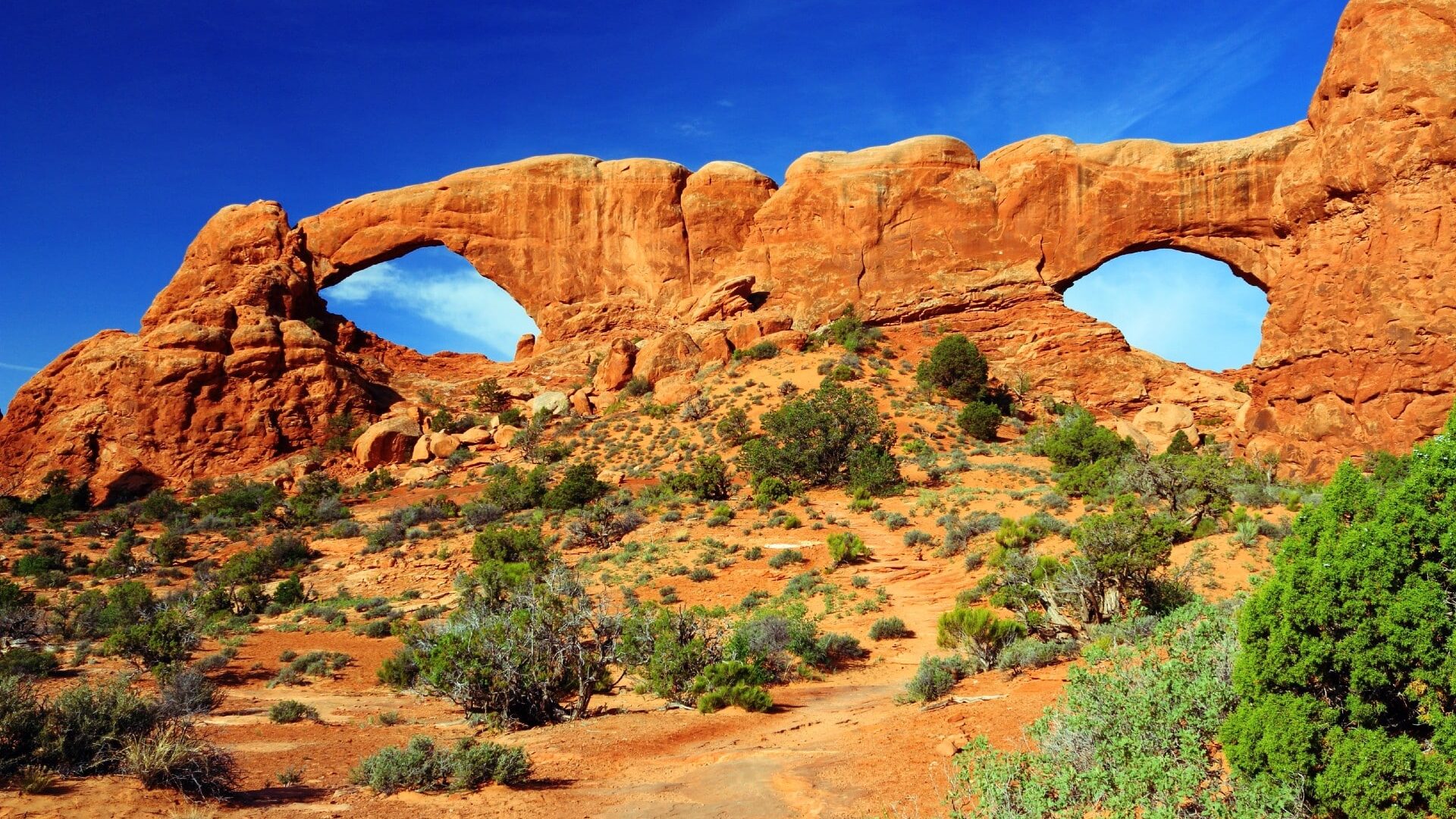
The Mountain West offers independent lodging opportunities in ski towns, national-park gateways and small mountain communities across the Rockies and the Intermountain West.
Its advantage is world-class scenery and recreation. Skiing, national parks and outdoor adventure draw travelers from across the country and abroad.
Resort-town real estate can be very expensive, and staffing and housing are real challenges in many mountain communities, so the business case needs careful review.
What Defines the Mountain West Lodging Market?
Many Mountain West markets have two peak seasons: winter for skiing and summer for hiking, national parks and outdoor recreation. Spring and late fall are often quiet, and some properties close for part of the year.
Cabins, lodges and small boutique properties are common, alongside traditional inns, and many guests look for privacy and independence as much as hosting.
Labor and housing deserve particular attention. In resort towns, finding and housing staff can be difficult and expensive, which affects how a property can be run.
Explore the Mountain West by State
Our Mountain West region includes Colorado, Idaho, Montana, Nevada, Utah and Wyoming.
Mountain West states share big landscapes but differ in access, winter conditions, national park and ski traffic, and how resort towns regulate short-term lodging.
Colorado
Mountain towns, ski areas and park gateways offer strong summer and winter demand alongside high resort-town values.
Idaho
Sun Valley, lake country and mountain towns offer outdoor recreation with a mix of resort and more attainable markets.
Montana
Glacier and Yellowstone gateways, Whitefish and Bozeman draw summer travelers, with skiing adding winter demand in some towns.
Nevada
Lake Tahoe and small historic towns offer niche lodging markets beyond the major casino cities.
Utah
Park City, Moab and the national parks draw ski and outdoor travelers through two distinct seasons.
Wyoming
Jackson Hole and the Yellowstone and Grand Teton gateways support a strong summer season with very high values in Jackson.

Location Matters—But So Does Acquisition Cost
The Mountain West’s best-known resort towns have some of the highest real estate values in the country. That can create a wide gap between what a property is worth and what the lodging business can reasonably support.
In smaller mountain communities, acquisition costs may be lower, but seasons can be short and demand more dependent on a single attraction.
A location near a national park or ski area brings guests, but it also brings higher operating costs and tighter staffing. The purchase works when the real estate, the business and the price fit that reality.
Colorado Mountain Towns — Estes Park, Durango and Ouray combine national-park, historic and outdoor travel with distinct summer and winter seasons.
Jackson Hole and the Yellowstone Gateways, Wyoming — Grand Teton and Yellowstone drive strong summer demand, with skiing in Jackson and very high property values.
Park City and Moab, Utah — A ski town and a red-rock outdoor hub that offer very different seasons and acquisition economics.
Whitefish and Bozeman, Montana — Gateways to Glacier and Yellowstone with growing year-round communities and skiing nearby.
Sun Valley, Idaho — A long-established ski and summer resort with high property values and a loyal visitor base.
Current Inns and Independent Lodging Businesses for Sale in the Mountain West
These are the Mountain West inns, lodges and B&Bs currently for sale. Inventory is limited and changes often, and some owners explore a sale before listing publicly, so sign up for listing alerts to hear first.
 = New Listing
 = Featured
 = Affiliate
 = Sold


