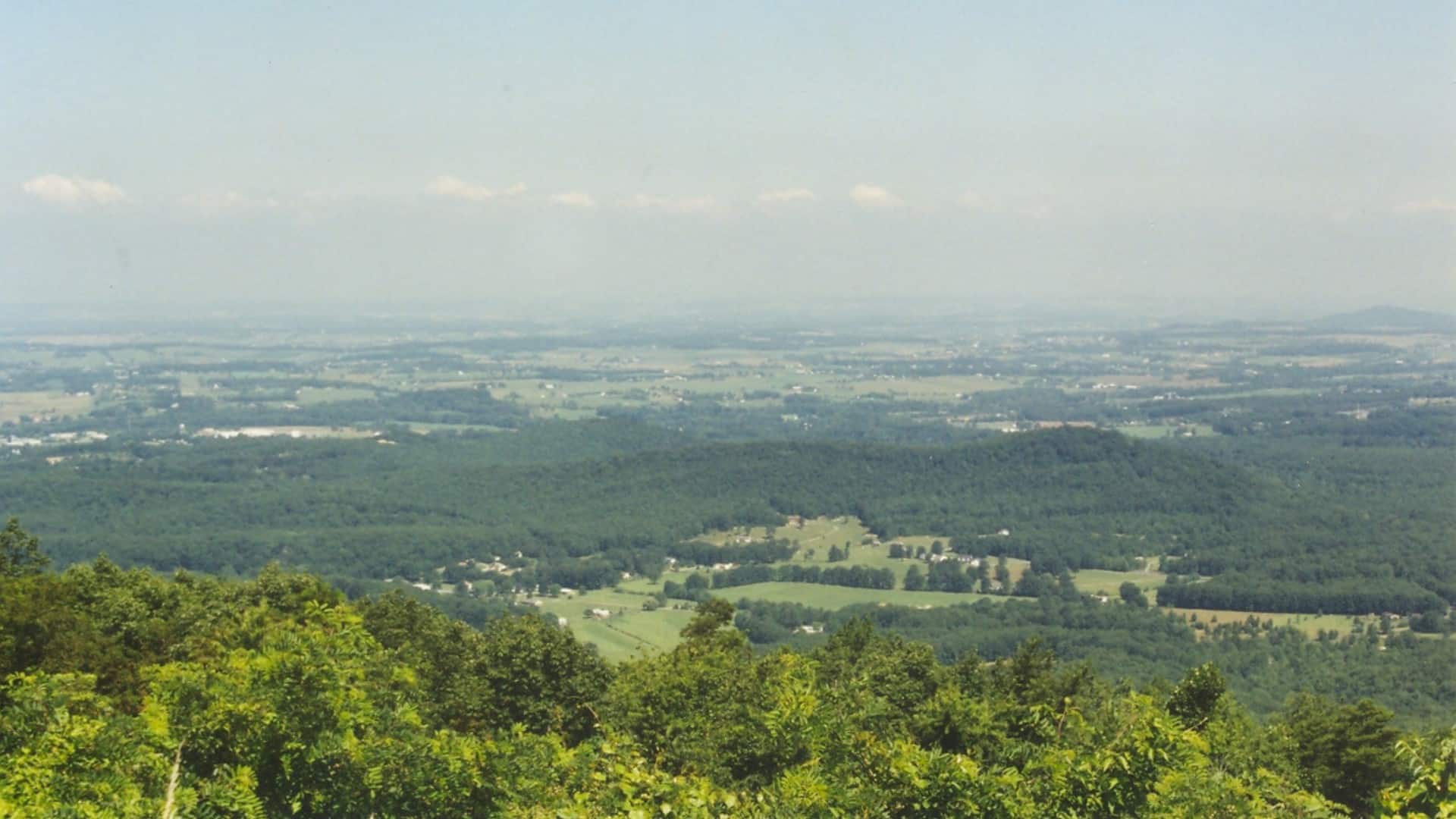
The Mid-Atlantic contains some of the country’s most established independent-lodging markets, from historic towns and rural recreation destinations to coastal communities and small cities.
Its biggest advantage is variety. Within one region, buyers can compare very different lodging businesses, acquisition costs, guest markets and operating environments—all within reach of some of the country’s largest drive-to populations.
A traditional B&B in Pennsylvania, a Shenandoah Valley inn and a coastal property in Maryland or New Jersey may all appeal to leisure travelers, but they can be very different businesses to own.
What Defines the Mid-Atlantic Lodging Market?
Much of the region benefits from access to large metropolitan populations, making weekend and short-stay travel especially important. New York, Philadelphia, Baltimore, Washington, Pittsburgh and Richmond all generate demand for nearby leisure destinations.
But the Mid-Atlantic is not one lodging market. Demand may come from historic tourism, outdoor recreation, colleges and universities, weddings and events, food and beverage travel, beaches, cultural attractions or a combination of several.
That diversity is one of the region’s strengths. It also means buyers should compare markets individually rather than assume that strong regional tourism translates into similar operating conditions everywhere.
Explore the Mid-Atlantic by State
Our Mid-Atlantic region includes Delaware, Maryland, New Jersey, New York, Pennsylvania, Virginia, and West Virginia.
Within a few hours’ drive, the Mid-Atlantic moves from Chesapeake waterfront and Atlantic beach towns to Pennsylvania farm country, the Shenandoah Valley and the Finger Lakes, and each state brings its own mix of demand, seasonality and regulation.
Pennsylvania
Historic towns, outdoor recreation, small cities and established tourism destinations create a wide range of lodging markets, from Gettysburg and Lancaster County to Bucks County and the Poconos.
Virginia
Historic destinations, Blue Ridge and Shenandoah Valley communities, wine country and outdoor recreation support both destination travel and strong drive-to demand from major East Coast population centers.
Maryland
Chesapeake Bay, Eastern Shore, historic-town and mountain markets offer very different lodging environments within reach of the Baltimore-Washington corridor.
New York
Outside New York City, established leisure markets include the Hudson Valley, Catskills, Adirondacks and Finger Lakes, where seasonality, property values and local regulations can materially affect acquisition economics.
New Jersey
Shore destinations, historic towns and proximity to New York and Philadelphia support a range of independent lodging markets, including the long-established inn community in Cape May.
Delaware
A small state with concentrated coastal tourism and strong access to the Philadelphia-Baltimore-Washington corridor, where seasonal demand and valuable real estate can make acquisition economics especially important.
West Virginia
Mountain towns, outdoor recreation and historic communities can offer a different acquisition environment, sometimes with more attainable real estate than better-known Mid-Atlantic leisure destinations.

Location Matters—But So Does Acquisition Cost
Some of the Mid-Atlantic’s most desirable visitor destinations also have expensive real estate. That can create a gap between what a property is worth and what the lodging business can reasonably support.
In other markets, acquisition costs may be lower but demand may be more seasonal, room rates more modest or the resale market less established.
Proximity to Washington, Baltimore, Philadelphia and New York keeps many Mid-Atlantic destinations busy, but strong demand only helps when the real estate, the business and the price line up.
Gettysburg, Pennsylvania — A nationally recognized historic destination where location, seasonality and the ability to attract guests beyond a single tourism driver can materially affect the business.
Lancaster, Pennsylvania — A diversified tourism market where city, countryside and small-town properties may serve very different guest segments.
Carlisle, Pennsylvania — A Cumberland Valley crossroads where college, military, car-show and interstate travel demand give inns several distinct sources of business.
Cape May, New Jersey — A traditional coastal inn market combining historic character, beach tourism and events, with strong real estate values and pronounced seasonal considerations.
Current Inns and Independent Lodging Businesses for Sale in the Mid-Atlantic
Below are the Mid-Atlantic inns and B&Bs currently listed. New properties come to market regularly, and some sellers start the conversation well before a public listing. Listing alerts will tell you when one matches what you want.
 = New Listing
 = Featured
 = Affiliate
 = Sold


