The Southeast includes some of the country’s best-known inn destinations, from historic coastal cities and barrier islands to the mountain towns of the southern Appalachians.
Its advantage is a long travel season. Mild winters, coastal and historic tourism, and steady drive-to demand from fast-growing metropolitan areas give many Southeast markets more year-round business than northern regions.
That popularity has a cost. In the most recognized towns, real estate values can run well ahead of what a lodging business earns, so buyers need to look closely at whether the numbers work.
What Defines the Southeast Lodging Market?
Demand in the Southeast comes from several directions at once: historic tourism in places such as Charleston, Savannah, St. Augustine and New Orleans; beaches and barrier islands; mountain recreation in western North Carolina, east Tennessee and north Georgia; food, music and festival travel; and weddings and events. Atlanta, Charlotte, Nashville, the Florida metros and the Carolinas’ growing cities all feed weekend travel.
Seasonality looks different here than in the North. Many coastal and historic markets stay busy through the winter, while summer heat, hurricane season and mountain winters shape demand in others.
Insurance and storm risk deserve particular attention on the coast, where property insurance costs have risen sharply in recent years and can change the economics of an otherwise attractive inn.
Explore the Southeast by State
Our Southeast region includes Alabama, Arkansas, Florida, Georgia, Kentucky, Louisiana, Mississippi, North Carolina, South Carolina and Tennessee.
From Gulf Coast beach towns to Appalachian mountain hamlets, the Southeast’s states differ sharply in season length, insurance exposure and the kind of inn that thrives there.
Alabama
Gulf Coast beaches, Mobile’s historic districts and small towns across the state offer quieter lodging markets with more moderate real estate values.
Arkansas
The Ozarks, Hot Springs and Eureka Springs support outdoor recreation, spa and arts travel with drive-to demand from neighboring states.
Florida
Historic cities, barrier islands and the Keys provide year-round leisure demand, balanced against high coastal real estate values and insurance costs.
Georgia
Savannah, the Golden Isles and the north Georgia mountains give buyers coastal, historic and mountain markets within reach of Atlanta.
Kentucky
Bourbon country, horse farms and Appalachian recreation support a distinctive mix of leisure and event travel.
Louisiana
New Orleans and Cajun Country draw food, music and festival travelers, where local regulation can materially affect individual opportunities.
Mississippi
Natchez, the Gulf Coast and historic river towns offer heritage and coastal tourism with comparatively moderate acquisition costs.
North Carolina
Asheville and the Blue Ridge, the Outer Banks and historic coastal towns provide strong mountain and beach demand across the seasons.
South Carolina
Charleston, the Lowcountry, Greenville and the Upstate combine historic, coastal and small-city markets with very different acquisition economics.
Tennessee
The Great Smoky Mountains, Nashville and Chattanooga draw outdoor, music and weekend travelers in large numbers.

Location Matters—But So Does Acquisition Cost
Some of the Southeast’s most celebrated destinations also have some of its most expensive real estate. That can create a gap between what a property is worth and what the lodging business can reasonably support.
In other markets, acquisition costs may be lower but demand more seasonal, room rates more modest or local regulation more restrictive.
A well-known name draws guests, but the inn still has to earn its keep. Whether the property sits in Charleston or a small mountain town, the real estate, the operating business and the purchase price have to work together.
Asheville, North Carolina — A nationally recognized mountain and cultural destination, where strong visitor demand has to be weighed against high real estate values and acquisition costs.
Charleston, South Carolina — A major historic and coastal destination with exceptional leisure demand and acquisition economics that are challenging for many independent lodging businesses.
Savannah, Georgia — A historic destination with strong leisure demand, where valuable real estate can create a gap between property value and operating income.
St. Augustine, Florida — A well-established historic and coastal destination with year-round leisure demand and a long tradition of independent inns.
Amelia Island, Florida — A barrier-island destination combining beaches, a historic downtown and resort travel, with coastal insurance and real estate costs to weigh.
Key West, Florida — A distinctive island market with year-round demand, very high real estate values and local lodging rules that shape what an inn can do.
New Orleans, Louisiana — A cultural and convention destination where food, music and festivals support year-round demand, and location and local regulation matter a great deal.
Great Smoky Mountains, Tennessee — Gatlinburg, Townsend and the surrounding foothills draw national-park visitors in large numbers, with heavy cabin and vacation-rental competition.
Greenville, South Carolina — A growing Upstate city with a lively downtown, business travel and access to the Blue Ridge foothills.
Kentucky Bourbon Trail — Distillery tourism around Bardstown, Lexington and Louisville supports inns that serve weekend and group travelers.
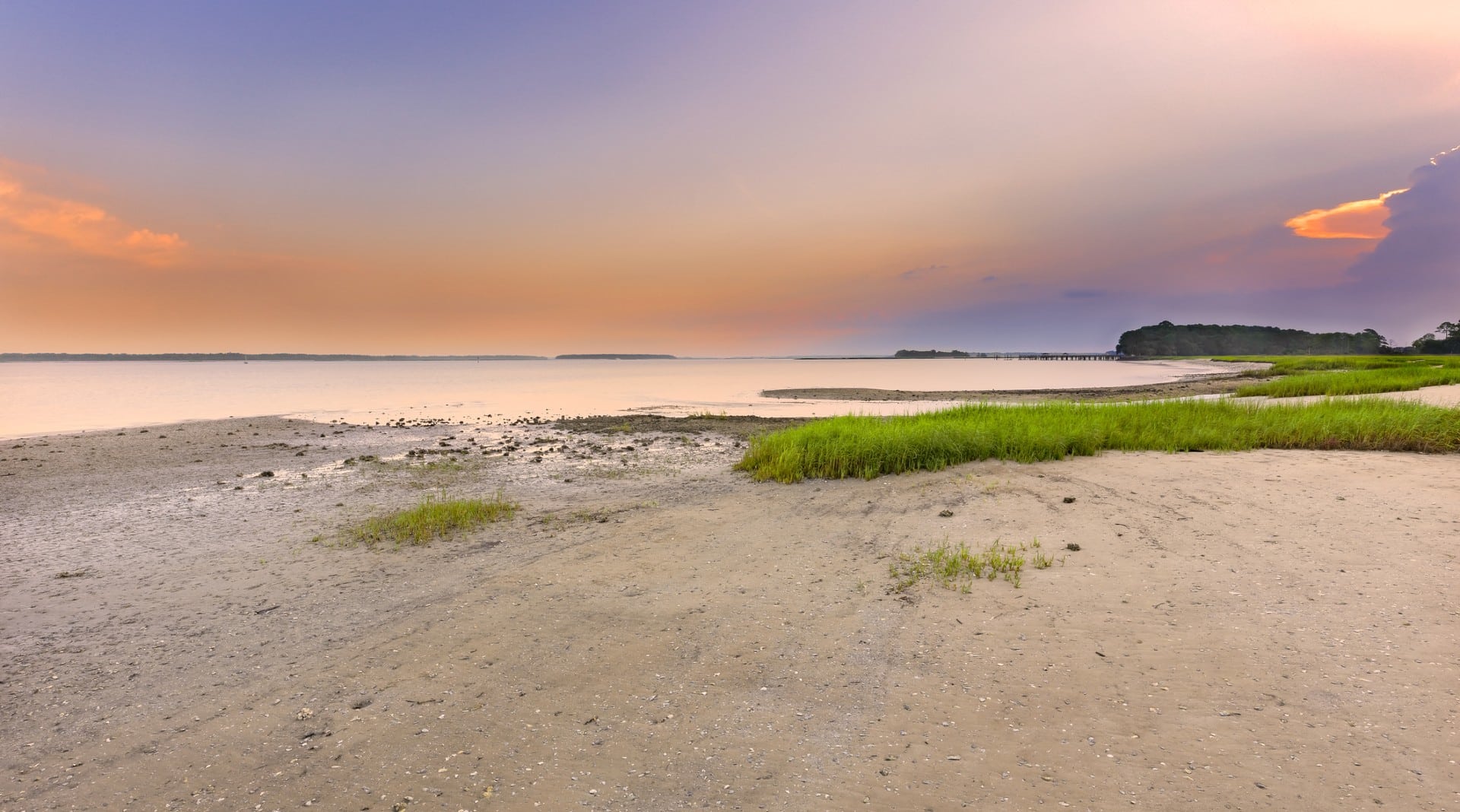
Georgia Coast — Darien and the Golden Isles offer marshland and barrier-island settings with a quieter pace than better-known coastal markets.
Current Inns and Independent Lodging Businesses for Sale in the Southeast
These are the Southeast inns and B&Bs currently on the market. Listings change often, and some owners begin exploring a sale before a property is publicly offered, so sign up for listing alerts to hear about new ones.
 = New Listing
 = Featured
 = Affiliate
 = Sold


